History Of Disc Golf And Its Rise From Objects To Baskets

You hear chains sing, you line up a putt, yet the backstory stays fuzzy. The history of disc golf is full of park hacks, garage tinkering and a few bold ideas that stuck. If you have ever wondered who invented it, when it truly started, or why we say disc and not frisbee, this guide maps the path from object golf to chains and baskets, so you can place that next throw in context.
How Disc Golf Was Born
Every sport has its spark, and disc golf has several. Ed Headrick, called the Father of Disc Golf, took throwing at trees and poles and made it a sport with purpose. He developed disc-catching targets with chains and metal baskets, replacing guesswork with a clear, satisfying finish. That leap, from objects to dedicated goals, gave players a target that felt like golf and sounded like victory.
Headrick did more than sketch a target. In 1975 he installed the first permanent disc golf course at Oak Grove Park Pasadena. With marked tees and baskets, players finally had a proper venue to test skill rather than just enthusiasm. Alongside Headrick, Ken Westerfield brought organising muscle, helping run early disc events and pushing frisbee throwing from park pastime to structured play. These disc golf pioneers turned scattered fun into a sport you could learn, measure and share.
History of Disc Golf Timeline
Before baskets, there was improvisation. Long before anyone filed a patent, people were already playing at parks and schools with tin lids and early flying discs. That spirit produced the object golf origins many players still try for nostalgia. Here is a quick disc golf history timeline, from rough targets to refined courses.
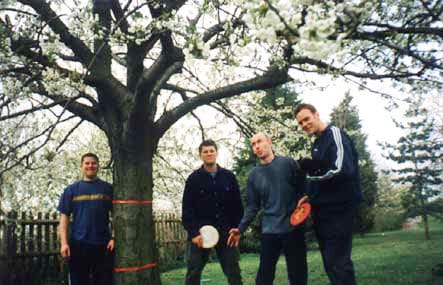
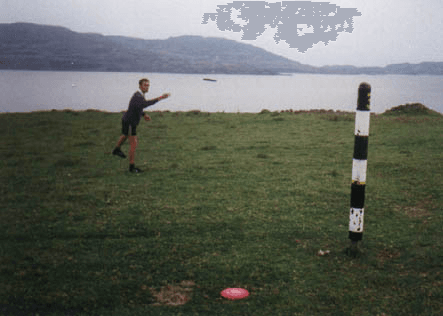
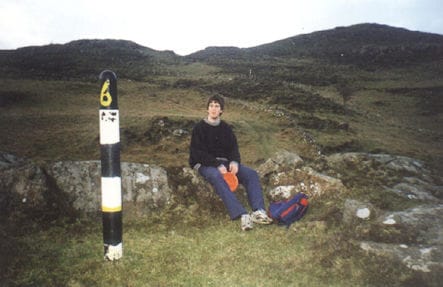
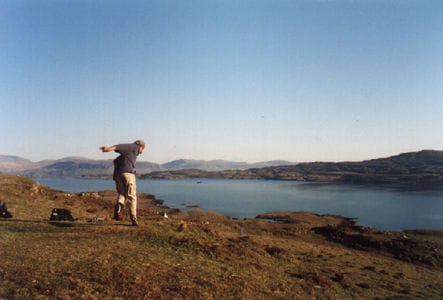
1940s to 1960s Early disc throwing spreads, with friends inventing rules on the fly. Players hit trees, poles and bins, a style later nicknamed object golf. 1970s The sport gains shape. Headrick’s disc-catching targets bring chains and baskets into parks, and organisers begin to run early disc golf tournaments. 1975 Oak Grove Park Pasadena becomes home to the first permanent disc golf course, giving the sport a flagship address. Late 1970s Rules and formats stabilise, leagues appear and bigger events help answer a regular search query, when did disc golf start. 1980s to 1990s Equipment improves, courses multiply and the Professional Disc Golf Association supports competitive growth. 2000s onwards The rise of disc golf popularity accelerates with better discs, course mapping, streaming coverage and thriving local clubs. In short, early disc golf history shows a simple truth, clear targets make better games.
Where Disc Golf Found Its Roots
Ask fans for the origin of disc golf and most will point to California. Oak Grove Park Pasadena became the proof of concept, the first disc golf course you could arrive at and actually play from tee to basket. Those early poles gave way to chains and baskets, and the course turned casual throws into repeatable shots. The site still matters because it showed any town could support a permanent disc golf course with simple maintenance and a willing parks team.
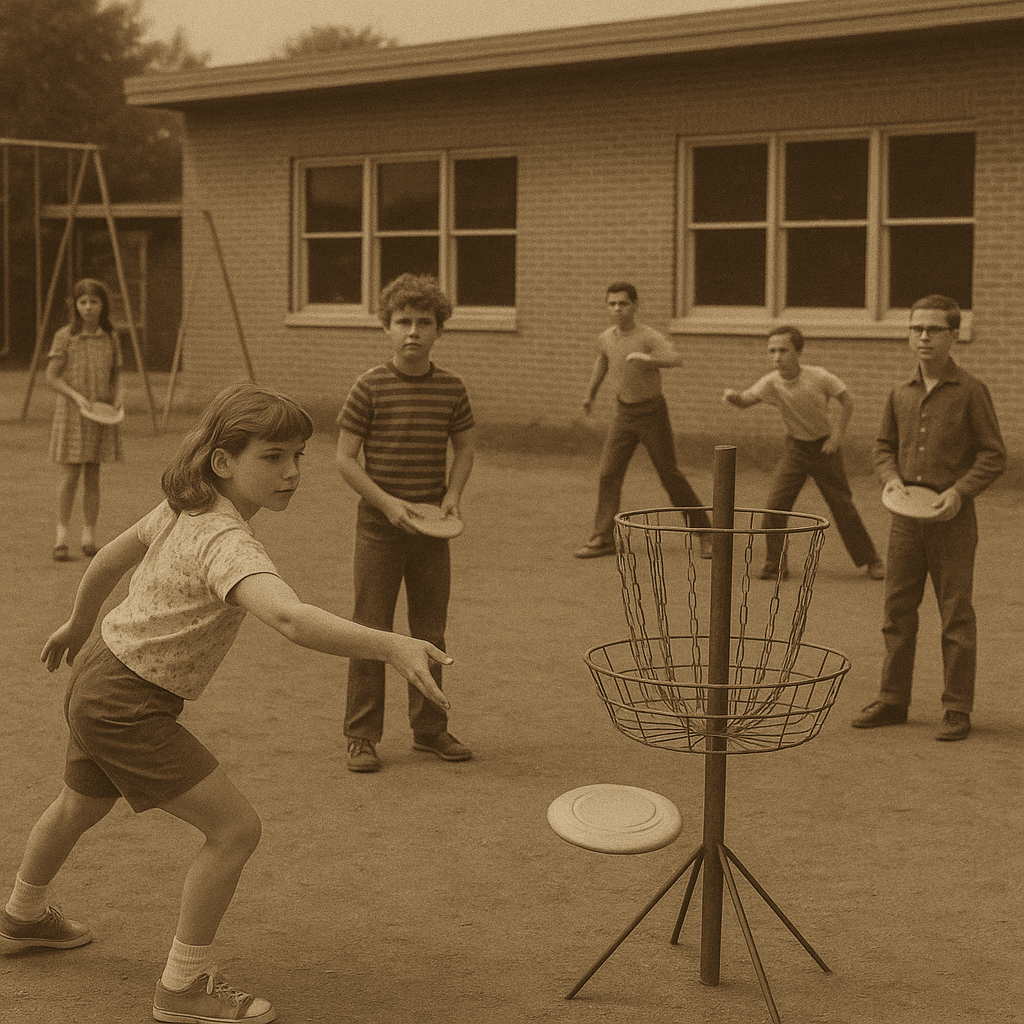
The Name Game Disc Golf vs Frisbee Golf
Why disc golf, not frisbee golf. Partly because frisbee is a Wham-O trademark, and the sport uses discs from many makers. The term disc also nudges players to think like golfers, choosing drivers, mid-ranges and putters for the job at hand. If you want a shorthand, frisbee golf name is friendly, disc golf is accurate.
That naming shift reflects equipment design too. The development of disc golf baskets, along with more specialised discs, helped standardise play. Targets catch, discs fly differently and rules travel well. The sport matured because the gear did.
Why Disc Golf Connects with Players
Why play disc golf. It is a tidy mix of progress and freedom. Each throw gives instant feedback, each course gives choice, and the outdoors turns exercise into play. Small wins keep you coming back, and the sound of chains turns effort into a little ceremony. That loop, throw, adjust, succeed, is addictive in the healthiest way.
Disc Golf’s Ongoing Rise
From object golf to organised leagues, the arc is steep. Membership numbers at the Professional Disc Golf Association have set new highs in recent seasons, and televised majors and live streams make heroes out of precise throwers. Our look at disc golf course growth statistics shows steady expansion, with parks adding layouts and private venues getting creative.
Curiosity keeps piling in too. Who invented disc golf remains a popular question, answered most often with Ed Headrick disc golf, yet the credit also lives with early tinkerers who played in parks and painted targets on poles. The sport keeps growing because it is cheap to start, fun to share and easy to set up. In short, History Of Disc Golf And Its Rise From Objects To Baskets is the story of a good idea made clear by better targets, then amplified by community.
Frequently Asked Questions About the History of Disc Golf
Ed Headrick is widely credited with modern disc golf for creating the chain basket target and formalising play.
Oak Grove Park in Pasadena, California hosted the first permanent disc golf course in 1975.
Park games began mid‑century, then formal courses and rules took shape in the 1970s.
Frisbee is a Wham-O trademark. Disc golf reflects many brands and golf-like equipment roles.
They are metal baskets with chains that slow and catch the disc for a clear finish.
Figures like Ed Headrick and Ken Westerfield helped organise events and shape the sport.
Yes, our guide covers the history of disc golf from object targets to modern baskets.