
You step up to the tee, grip, set, breathe. Then you spot the grime on the rim, plus a tiny nick winking at you like a bad omen. That is your round begging for disc golf disc maintenance. Dirty, warped, or chipped plastic slips out early, fades late, and quietly steals strokes. The fix is not fancy, it is a simple routine of cleaning, inspection, smart storage, and light repair that keeps your flight predictable and your confidence intact.
Discs work hard, trees less so. They clip branches, skate across gravel, and take the odd puddle bath. Treat them like teammates. A few minutes of care pays you back with better grip, longer life, and fewer wobblers off the tee.
How to Maintain Disc Golf Discs for Optimal Performance?
Think in two tracks, everyday care and seasonal prep. Together they form a practical disc golf disc maintenance routine you can actually stick to.
Disc Golf Disc Maintenance Routine
Short, regular habits beat occasional marathons. Use these disc golf disc cleaning tips and keep things simple.
- Post‑round wipe: Mud removal matters. A quick warm water rinse in the car park or a damp cloth on the rim stops grime glazing over your grip.
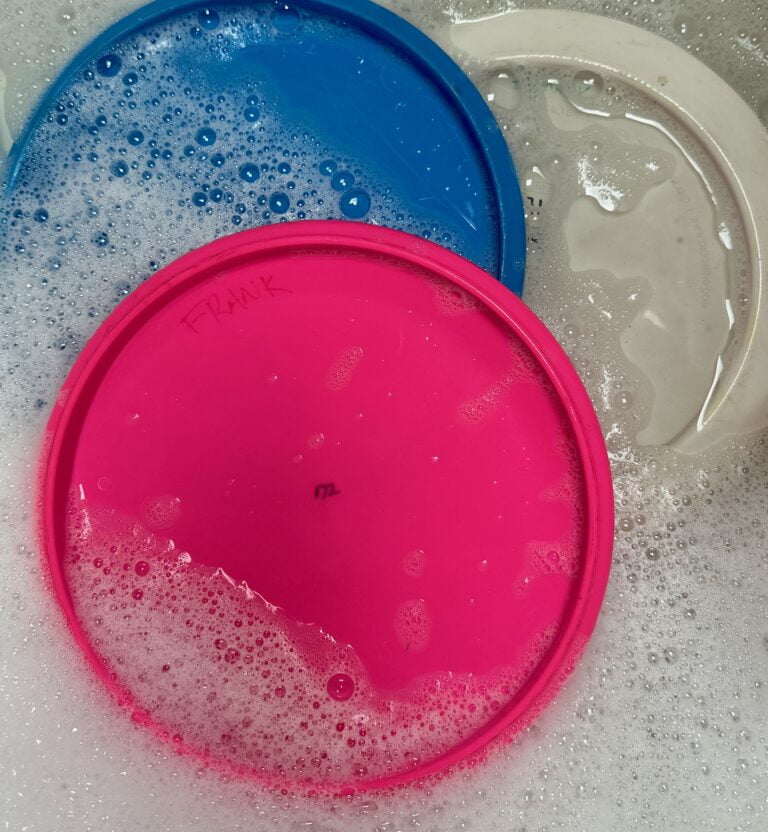
- Weekly clean: Use mild dish soap and warm water for plastic-safe cleaning. Avoid abrasives. Rinse well and dry with a clean microfibre towel for mould prevention.
- Storage that helps: Use a disc golf bag organiser or a storage rack at home. Keep discs upright, with airflow, and out of temperature extremes.
How do you keep discs in good condition?
Small checks prevent big problems.
- Stay clean: Dirt and grass change the feel and the release. Clean equals grip enhancement.
- Mind the weather: Heat softens, cold stiffens. Temperature extremes cause warping and brittle rims.
- Do a quick disc golf disc inspection: Look for nicks, gouges, hairline cracks, and flat spots after tree hits.
How to Care for Disc Golf Discs
When grime sticks, step up the method.
- Mild soap and water: The go-to for most plastics. Gentle, effective, plastic-safe.
- Specialised disc cleaner: For stubborn stains, a specialised disc cleaner formulated for plastic-safe cleaning helps without dulling the surface.
- Dry and store: Pat dry with a microfibre towel. Store cool and dry to reduce warps and mould.
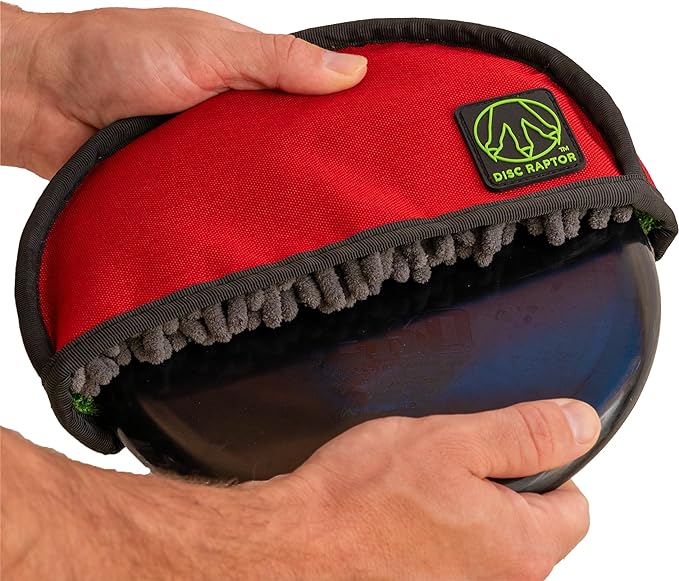
A handy companion for on-course cleaning and post-wash drying is the Disc Raptor. The microfiber interior absorbs grime, while the textured spine shifts caked mud. It clips to your bag, then doubles as a knee pad when you need to straddle putt. Less fuss than juggling towels.
A little care makes your favourite drivers feel new again.
Disc Golf Disc Maintenance Pre‑season Prep
When the season draws near, give your bag a pre-season disc golf disc prep so nothing surprises you on hole one.
What is disc golf equipment prep?
Think of it as a pre-season tune-up for plastic and kit.
- Full clean: Wash every disc. Label anything missing details.
- Audit your line-up: Build a course-specific selection. Retire doubles, add a trusted wind fighter if your local course is breezy.
- Kit check: Inspect bag straps, zips, mini, towels, and shoes. Swap worn parts now, not mid-round.
- Plan storage: Add simple disc golf disc storage solutions at home so discs do not sit under pressure.
Is it bad to leave disc golf discs in the cold?
Cold makes plastic stiff and unforgiving. A tree kiss that is fine in spring can spider a rim in January. I once cracked two Pro D fairways in one frosty round. Lesson learned.
- Brittle plastic: Cold reduces flexibility, hurting grip and flight.
- Warp risk: Repeated car-to-course swings in temperature can warp rims.
Keep discs indoors, cool and dry, and they keep their shape and feel.
Does heat ruin discs?
Heat is sneaky. A boot in summer can turn a stable driver into a wobbly flyer.
- Softening and sagging: High heat can flatten domes or curl rims.
- Surface damage: Prolonged sun exposure can fade stamps and dry out certain plastics.
Keep discs out of hot cars and direct sun. Shade and ventilation beat the midday dash every time.
How do you rejuvenate your discs?
Some TLC can bring back feel and flight, within reason.
- Warm water bath: Around 50°C can relax stiff plastic slightly. Do not go hotter, warping is one mistake away.
- Approved plastic softeners: Use disc-safe products sparingly and follow instructions.
Light sanding only: For tiny burrs or rough spots, use fine grit, 320 or higher, to tidy the edge. PDGA Rule 813.01 applies. Tidy, do not reshape.
Regular cleaning and smart storage mean you will need fewer rescue jobs later.
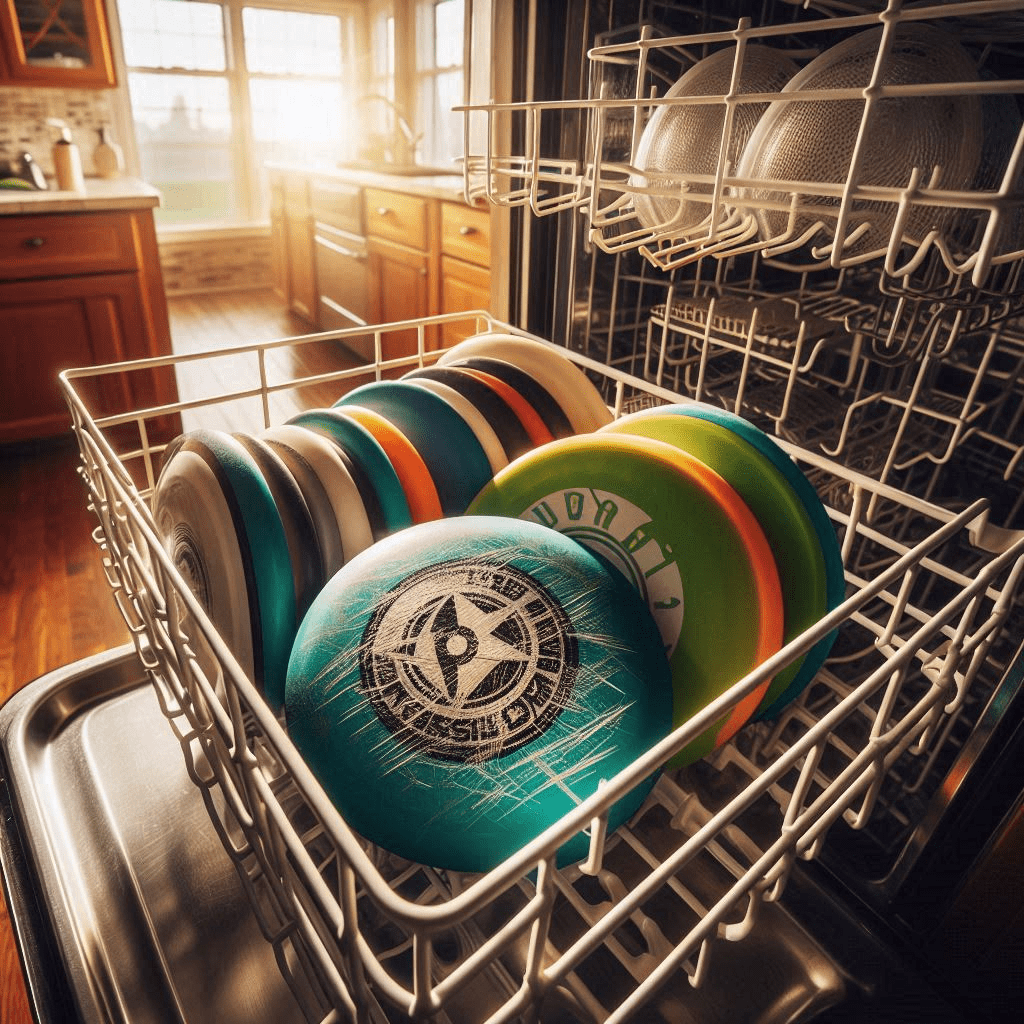
Can I put my disc golf discs in the dishwasher?
No. Heat, chemicals, and rattling racks are a triple threat to flight and finish.
- High heat: Warps rims and flattens domes.
- Harsh detergents: Can dry or haze plastic, plus fade markings.
- Rack abrasion: Hard knocks add scratches you then have to sand.
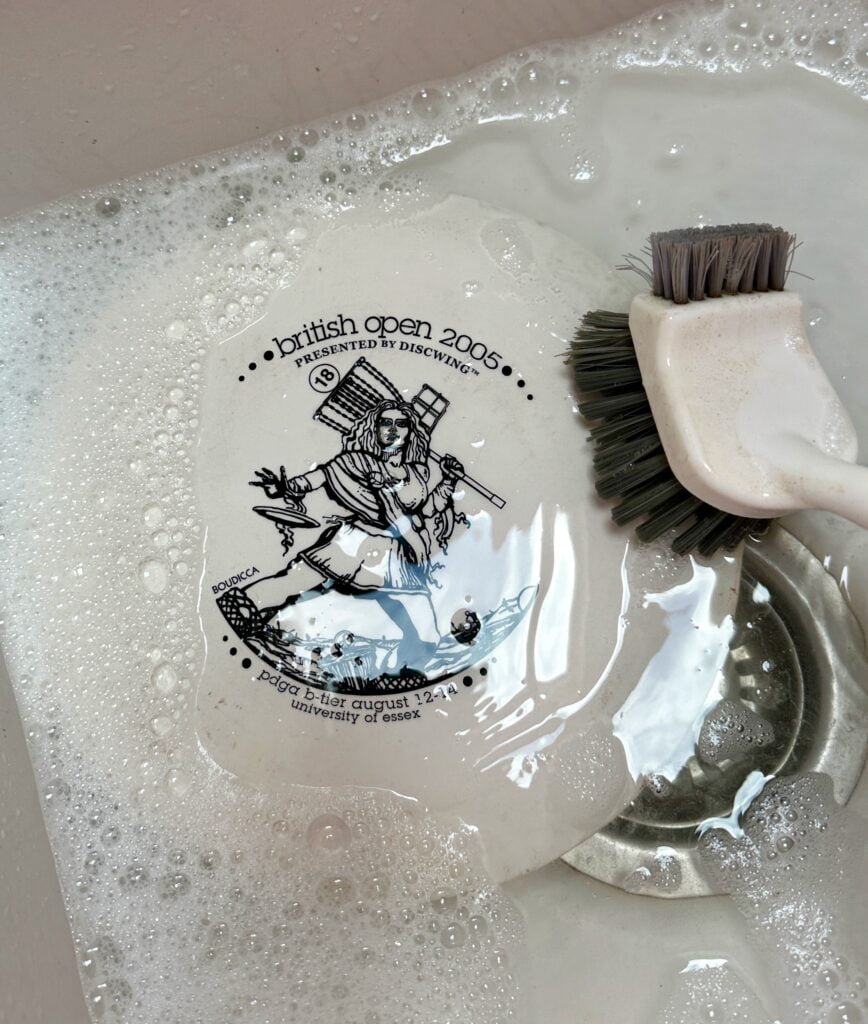
Stick with hand washing using mild soap and a soft sponge.
What is the best way to clean disc golf discs?
If you want to avoid damage, skip abrasive pads and hot water. Gentle methods clean well without changing flight characteristics.
How to Clean Disc Golf Discs
The Best Way to Clean Disc Golf Discs Step‑by‑Step
Here is a quick method that works on all plastics.
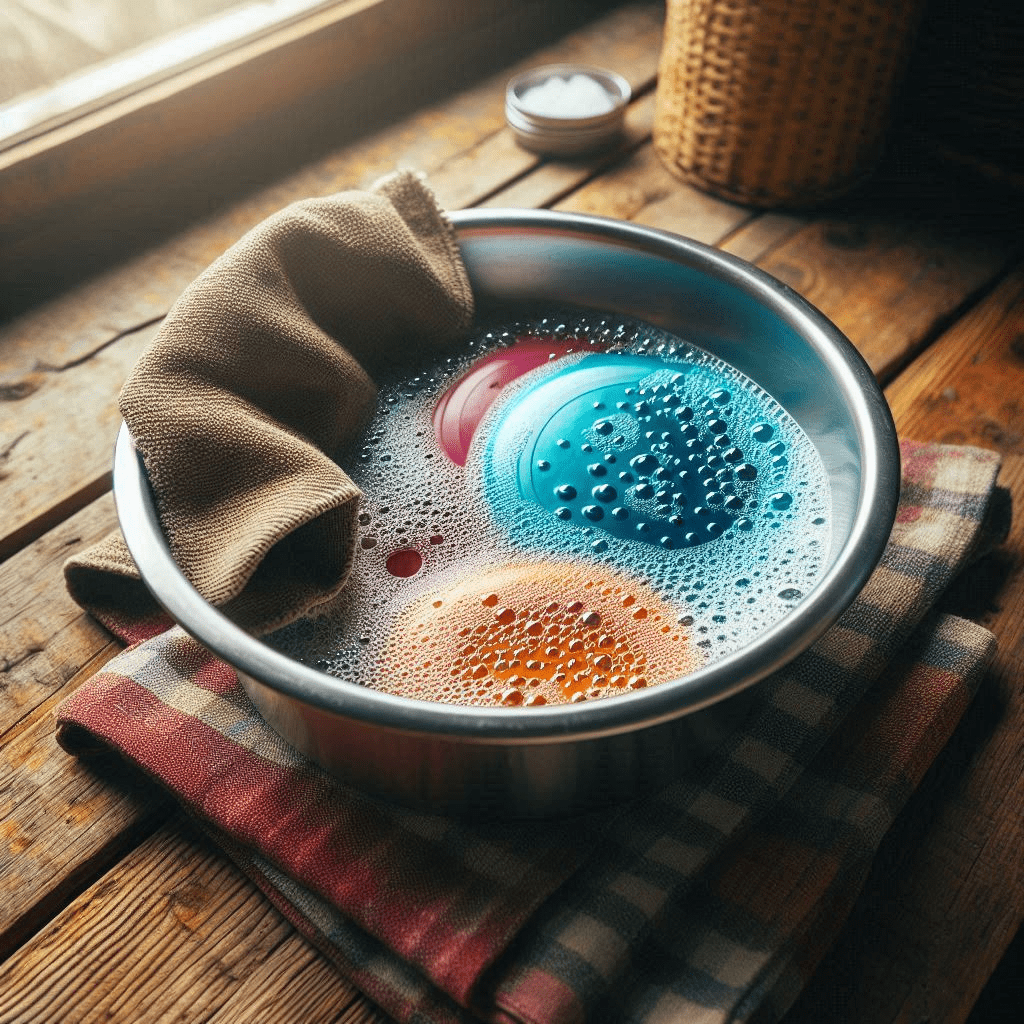
- Gather simple kit: Bucket, warm water, mild dish soap, soft sponge, microfibre towel.
- Pre-rinse: Knock off grit with a gentle warm water rinse.
- Soapy wash: Add a few drops of mild soap. Lightly scrub the plate and rim. Focus on the edge where grip lives.
- Rinse well: Remove all residue. Soap left on the rim feels slick.
- Dry fully: Pat dry with a microfibre towel, including the inner rim. Damp storage invites mould.
DIY option, a splash of white vinegar in warm water lifts grime without harsh chemicals. It is plastic-safe when diluted.
Does Sharpie stay on disc golf discs?
It depends on the plastic. Premium blends tend to hold ink longer than baseline plastics.
- Champion style plastics: Inks usually last well. Clean with gentle pressure only.
- DX style plastics: Markings fade faster. Clean softly to protect what is left.
Make ink last: Use a permanent marker rated for plastic, apply two light coats, and let it dry before throwing.
Why do discs warp?
Three usual suspects, temperature extremes, sun exposure, and pressure.
- Heat and cold: Heat softens and slumps. Cold makes plastic brittle and prone to stress warps.
- Sunlight: Uneven heating can ripple a flight plate.
- Improper storage: Stacks, tight bins, or heavy objects deform rims over time.
Disc golf disc warping prevention: Store cool and upright, keep them shaded on the course, and use a storage rack at home.
How do you repair minor disc golf damage?
Most scuffs are fixable. The trick is to tidy edges without altering the mould.
For nick and gouge repair, use fine-grit paper to smooth only the rough spot. Keep passes light. Over-sanding changes stability. If a rim is slightly bent, a tiny bit of localised warm air can help, but caution first. Heat travels fast, and mistakes are permanent.
Pro tip: Clean often, inspect often, and problems stay small.
When should I retire my disc golf disc?
When it stops doing its job or becomes unsafe.
- Cracks: Deep or spreading cracks are a no-go.
- Severe warp: If you cannot trust the line, it is bench time.
- No grip left: If grip enhancement tricks do nothing, replace it.
What do you do with old disc golf discs?
Give them a second act.
- Manufacturer recycling: Some brands accept used plastic.
- Sell or swap: Use forums or sell on eBay.
- Donate: Hand them to new players via your local club.
- Upcycle: Plant saucers, garage targets, or wall art.
Care is cheap. Replacing a bag is not. Keep your routine tight and your flights tighter.