
Disc Golf Backhand Drive Technique

Wobble. Early release. Discs that turn into lawn darts. If your disc golf backhand keeps letting you down, you are in good company. The good news, small form fixes can turn an iffy swing into a fairway finder.
Why The Backhand Drive Wins On Most Holes
A reliable disc golf backhand drive is the workhorse of your bag. It gives you accuracy, consistency, and the distance to set up birdie putts. Power matters, but the real gains come from timing, body rotation, wrist snap, and a clean follow-through. Build those and you will shape fairway lines, control disc speed, and make smarter birdie setup decisions.
Disc Golf Backhand Basics That Work
I lean on the backhand for most shots. I still use a roller or a hammer when needed, but a solid backhand keeps me in scoring range. It was not always tidy. Early on I fought off-axis wobble, poor distance control, and a grip that betrayed me at the hit. Focused practice, a calmer tempo, and better footwork fixed it. This guide distils what actually helps, so you can sharpen your disc golf backhand form without adding needless complexity.
Use it as a checklist. Build a repeatable stance, get the reachback on plane, fire the hips, and snap late. You will feel the disc rip out cleanly, not leak out early. That is when your backhand starts paying rent.
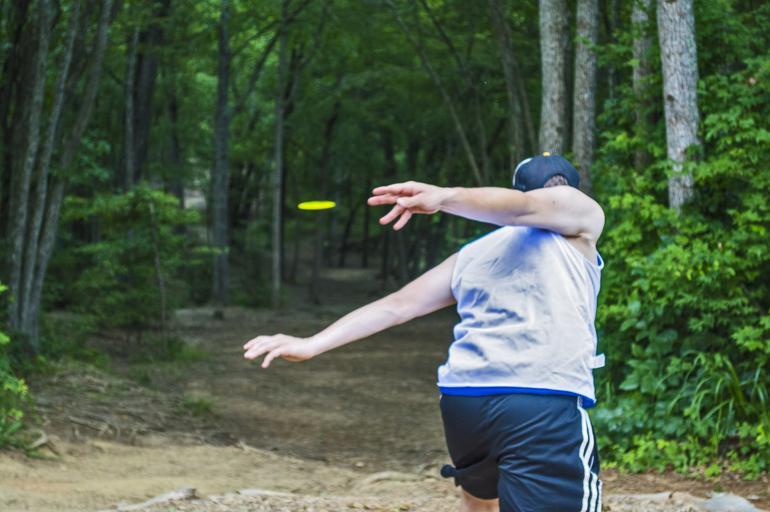
Steps To An Accurate Backhand Drive
Here is the simple path to a cleaner throw, from grip to follow-through. Nail each piece slowly, then speed up only when it feels natural.
A clear, repeatable backhand comes from clean sequencing. Build each piece slowly, then add speed once it feels natural.
-
Grip
Hold the disc firm but relaxed. Use a power grip for drivers and distance, or a fan grip for touch and clean angles. Pick the option that keeps the disc on plane and leaves the wrist free to snap.
-
Stance and Posture
Set feet shoulder width, knees soft, and front foot slightly open. Keep the chest tall and shoulders level to create a stable base.
-
Reachback
Extend the throwing arm back on a straight line, disc flat, and close to the body. Stay balanced and avoid overreaching, then engage the core to start rotation.
-
Hip Rotation and Weight Transfer
Shift weight from the back foot into a firm plant, then open the hips before the shoulders. This sequence loads the throw and adds easy speed.
-
Pull-Through and Power Pocket
Pull the disc tight to the chest into the power pocket. Keep the disc on plane and close to the body to store energy for the hit.
-
Snap and Release
As the front foot plants, fire a late wrist snap so the disc rips out cleanly. Let the fingers extend naturally for a tidy release with minimal wobble.
-
Follow-Through
Finish facing the target with weight on the front leg. Let the arm swing long down the line to keep balance and accuracy.
Disc Golf Backhand Drive Technique
Now that you have the step-by-step flow, refine the details that control flight, distance, and accuracy.
Improving Your Grip And Control
Grip firm, never rigid. A white-knuckle squeeze kills wrist speed and makes the release sticky.
Two reliable options for a disc golf backhand throw are:
- Power grip, maximum pop and wind resistance, great for drivers and long fairway lines.
- Fan grip, flatter finger spread for touch and clean angles, helpful for smaller hands or midranges.
Pick the grip that keeps the disc on plane and gives you a clean, late pop. If it wobbles, lighten the pinch and shorten the reachback.
Enhancing Consistency And Accuracy
Consistency is a tempo thing as much as a strength thing. Try these habits.
- Practise regularly. Slow, repeatable reps build reliable throwing mechanics.
- Form before force. Clean angles beat raw effort. Speed up later.
- Record your throws. Video reveals rounding, off-plane pulls, and timing leaks.
- Get feedback. A second pair of eyes spots what you miss.
Key checkpoints for disc golf backhand technique.
- Smooth swing path, no jerks, no rushing into the hit.
- Body rotation from the ground up, hips lead, shoulders follow.
- Neutral posture, level shoulders, chin steady.
- Follow-through to the target, finish balanced on the plant leg.
Getting Better Backhand Shots
Smart choices beat hero shots. A few tweaks add easy strokes.
- Disc selection. Match stability and disc speed to the shot. Stable for wind, understable for hyzer flips, heavier for control.
- Mindset. Commit to one line. Half-throws miss both targets.
- Visualisation. See the window, feel the angle, then throw that picture.
Improving Backhand Distance
Distance comes from sequence, not muscle. Build it like this.
- Weight transfer. From back foot to front foot with a quiet head and firm ankle plant.
- Hips before hands. Fire the hips, then the shoulders, then the arm. That chain loads the power pocket.
- Fast wrist snap. Late, crisp, on plane. Spin is a distance multiplier.
- Match disc to speed. Throw the fastest disc you can control cleanly. Control beats raw speed while you build form.
Troubleshooting Common Backhand Drive Issues
A wobbly backhand is like a shopping trolley with a bent wheel. It fights your line. Usual causes, a grip that pinches too hard, a rushed pull, poor weight shift, or a lazy wrist snap. Tidy the grip, slow the x-step, shift into a firm plant, then snap late. Clean first, fast second.
Exploring Advanced Techniques
How To Throw A Backhand Roller
A backhand roller is brilliant under low ceilings and on firm ground. Two flavours work well, the ground roller for tight gaps and the hyzer flip roller for added glide that starts on hyzer and flips upright.
Use an understable or seasoned disc, set the release angle early, and keep the pull smooth. The goal is consistent ground contact, then forward carry, not a lucky skip.
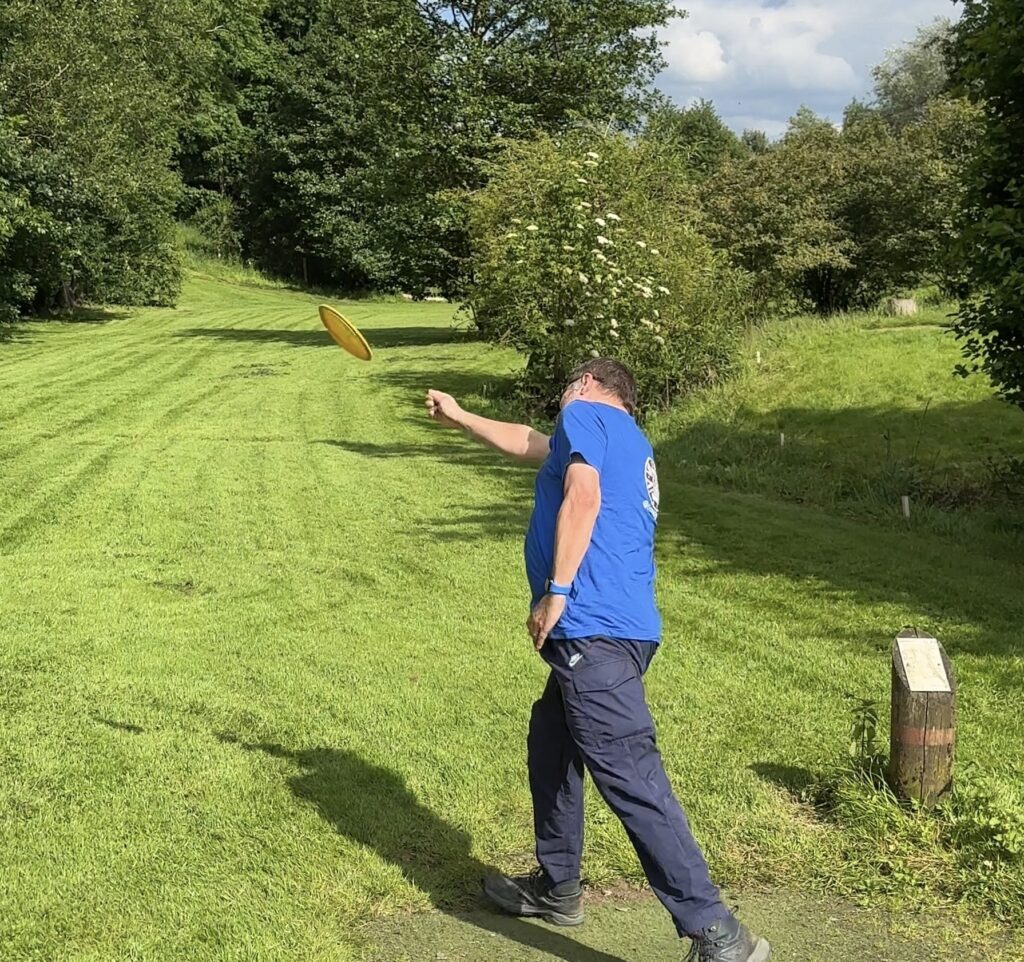
Nose Angles And Their Impact
Nose angle decides height and drag. Flat gives you straight. Hyzer brings a reliable fade for right-handed backhands. Anhyzer holds right for longer. Practise hitting each on purpose to shape lines around obstacles and land softly near the basket.
Perfecting Your Backhand Drive Mechanics
The Importance Of Balance And Posture
Think tripod, stable and centred. Soft knees, engaged core, and level shoulders create a base that sends energy forward instead of up. Try single-leg throws to build control, and wall drills to keep the pull tight to your chest.
Footwork And Leg Drive Techniques
Your legs start the throw. Use a calm x-step, pivot on the ball of the back foot, then land a firm ankle plant under your centre. That plant is your launch pad. The hips open next, then the shoulders, then the arm. Practise a standing x-step and a slow shuffle step to groove the sequence.
Fine Tuning Your Grip And Release
Developing A Strong Wrist Snap For Increased Distance
A quick wrist is like cracking a whip. Keep the disc close to your chest, then fire a late snap so the disc rips from your fingers. Simple strength work helps, but timing and a loose forearm do most of the lifting.
Maintaining A Relaxed Arm For Optimal Control
Tense arms steer. Relaxed arms sling. Lead with your hips and core, let the arm follow on plane, and finish long through the line. Lighter discs are great for form days when you are training smooth mechanics.
Strategies For Overcoming Common Challenges
Troubleshooting Shanking
Shanks often come from opening the front shoulder too early or pulling around your body. Stay closed a beat longer, pull straight across the chest, and shift fully into the plant before releasing. Your accuracy will jump.
Dealing With Arm Speed Limitations
You do not need a pterodactyl wing. Clean sequence beats wild speed.
- Form first. Smooth weight shift and hip fire trump brute force.
- Match the disc. Slightly understable drivers glide with less effort. Throw what you can keep flat.
- Use angles. A gentle hyzer flip adds free distance. When steady, practise turnovers for long right-moving flights.
- Reps that teach. Short-field throws with putters and mids sharpen timing without fatigue.
Build these habits and your disc golf backhand technique will feel simple and strong. Fewer wobblers, truer lines, better distance control.
FAQs About The Backhand Drive In Disc Golf
Start with a balanced stance, smooth reachback, and hips leading the throw. Snap late and finish with a full follow-through.
Power grip adds distance and wind resistance. Fan grip gives touch and clean releases, great for mids and putters.
Lighten the grip, pull on one plane, and snap late. Film a few throws to spot rounding or early opens.
Many new players reach 50 to 80 metres. Clean form adds quick gains before raw power does.
Stable to slightly understable drivers work well. Match disc speed to your form and comfort.